

CLOSE
Join our newsletter. We will send you updates on new projects, creative stories, and events.
A practical look at how OPN, ReadyScaleExit, and Common Unity are being built in phases to support founders, communities, and long-term growth.
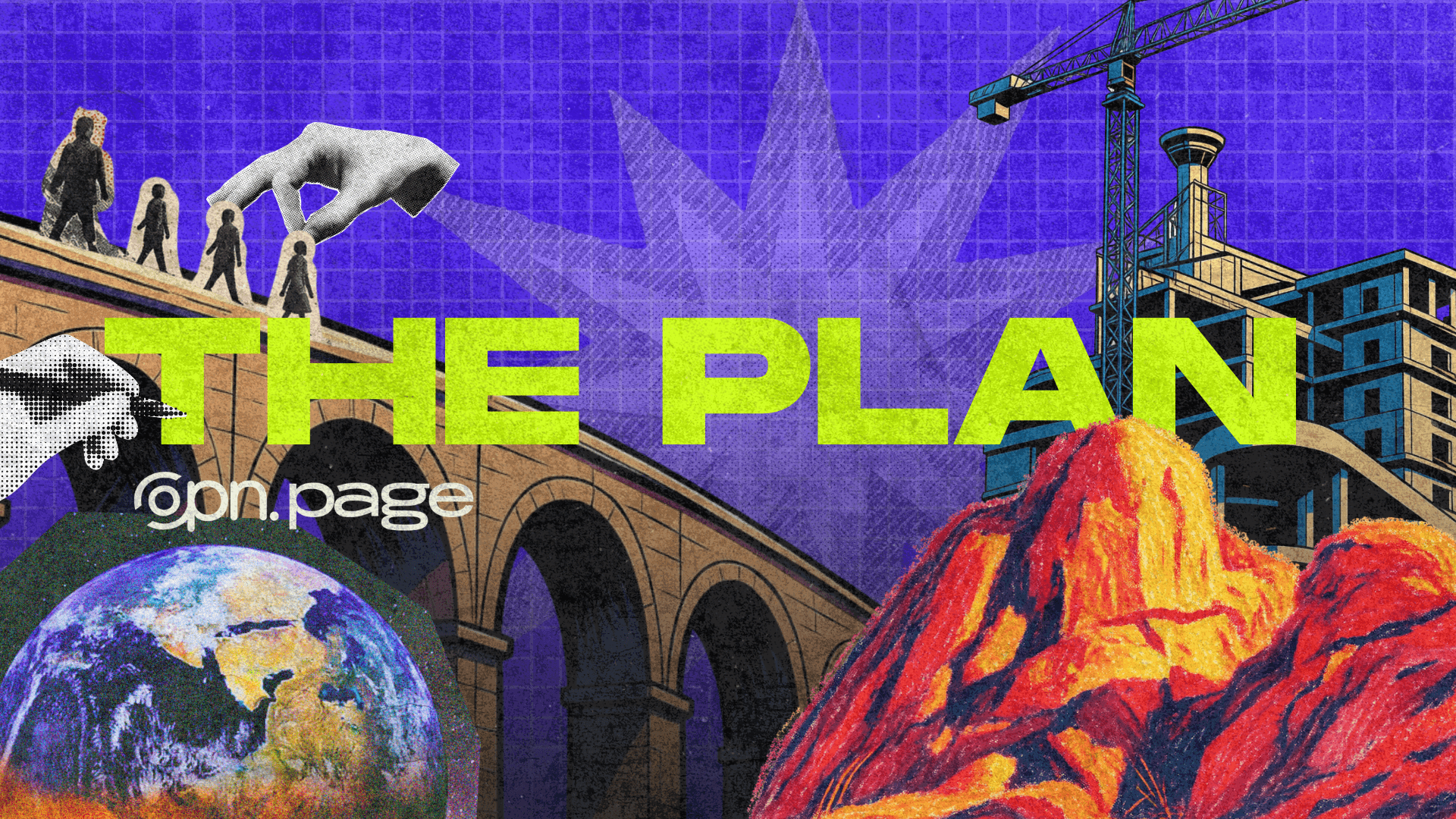
Most communities start with a logo and a group chat. The ones that last start with something worth organising around, and a plan for what happens after the excitement wears off.
We believe a handful of things about that: that people show up for a reason bigger than the group itself, that they stay when they're given real ownership instead of instructions, that systems should support people without boxing them in, that culture outlasts hype, and that the community should help shape the work, not just receive it.
That's the belief. This is what we're actually doing about it.
We took those ideas and asked ourselves a plain question: what would it take to build this properly, not just talk about it? The honest answer is that no single organisation could carry all of it well. So we're building three, in a deliberate order, working toward one thing: strong local work that eventually connects into something bigger.
OPN is the operating system behind the whole structure. It builds and maintains the shared infrastructure, including the brand, systems, automation, and creative production that the other organisations rely on. It won't run frontline programs or provide exit advice. Its job is to build the tools that make those things possible.
ReadyScaleExit (RSE) is the commercial side. It is a fractional C-suite and exit-advisory practice for mid-market founders. The goal is to help owners turn businesses that depend too heavily on them into resilient, sellable companies, so they can grow and eventually exit deliberately rather than by circumstance.
Common Unity (CUF) is the civic side. It is a not-for-profit that provides shared civic infrastructure for micro-communities, helping them access resources, legitimacy, and support while giving institutions a way to fund outcomes. It doesn't take over communities' work. Instead, it handles coordination, administration, and governance so communities can spend more time being communities and less time dealing with paperwork.
One founder. One technology backbone. One set of values. But three separate mandates, legal structures, and revenue lines.
That separation is intentional. If OPN had to run RSE's advisory work or Common Unity's community programs itself, it would eventually become the bottleneck. The point is to build the systems, then let the organisations use them independently.
Before RSE works with its first founder or Common Unity brings in its first community, the underlying systems need to be in place.
This part won't be particularly visible, and that's fine. It means setting up the systems, pipelines, accounts, and referral rules that the other two organisations will need. When they begin operating, they shouldn't have to improvise because the groundwork wasn't ready.
The infrastructure needs to be strong enough to support people without becoming something they have to work around. Nobody gets excited about a CRM, but every workshop, referral, and reliable figure that comes later depends on these basics being done properly.
Once the foundation is ready, RSE and Common Unity can begin the work they're meant to do.
Both will give people a simple way to assess where they are: founders can ask whether their business is actually ready to sell, while communities can consider whether they're ready to receive resources. Referrals between the two will follow a defined pathway rather than relying on informal arrangements.
This is where the idea of ownership gets tested.
It's easy to talk about giving people ownership when the idea exists only on paper. It's much harder when a founder or community leader needs to shape the direction of an engagement rather than simply follow a predetermined process.
This phase will show whether the pathway we've designed works when it meets real people and complicated situations.
By this point, the diagnostics and referral systems should have been running long enough to produce actual results rather than projections.
We'll start looking at what is really happening: which referrals are turning into engagements, how founders are doing, and whether communities are actually benefiting—not simply how many people have signed up.
We'll also begin testing a connection between the commercial and civic sides. A business that RSE has helped stabilise could potentially become the kind of enterprise that Common Unity's communities can work with or rely on.
That creates a practical link between the two organisations rather than leaving them as separate projects.
Growth will bring its own problems. New people will join, priorities will change, and assumptions will be tested. The only reliable way to know whether the culture is holding is to look at the evidence rather than the pitch.
We could have launched all three organisations at the same time and called it ambition. We chose not to.
The first pillar—the Big Why—depends on having something solid at the centre. Building the foundation before integration, and integration before proof, gives the whole structure a better chance of staying focused as it grows.
It also keeps us honest.
We're not claiming outcomes we don't have yet. No exit results. No impact figures. No headline about communities served. Just the phases, in order, and a clear account of where the work actually stands.
Over the coming months, we'll show what each phase looks like in practice: the systems OPN is building, the founders RSE begins working with, and the communities Common Unity is working alongside.
These won't be polished case studies designed to make the plan look better than it is. They'll show the work as it happens, including the parts that don't go according to plan.
A blueprint is only a claim until someone builds from it.
We're building, one phase at a time.
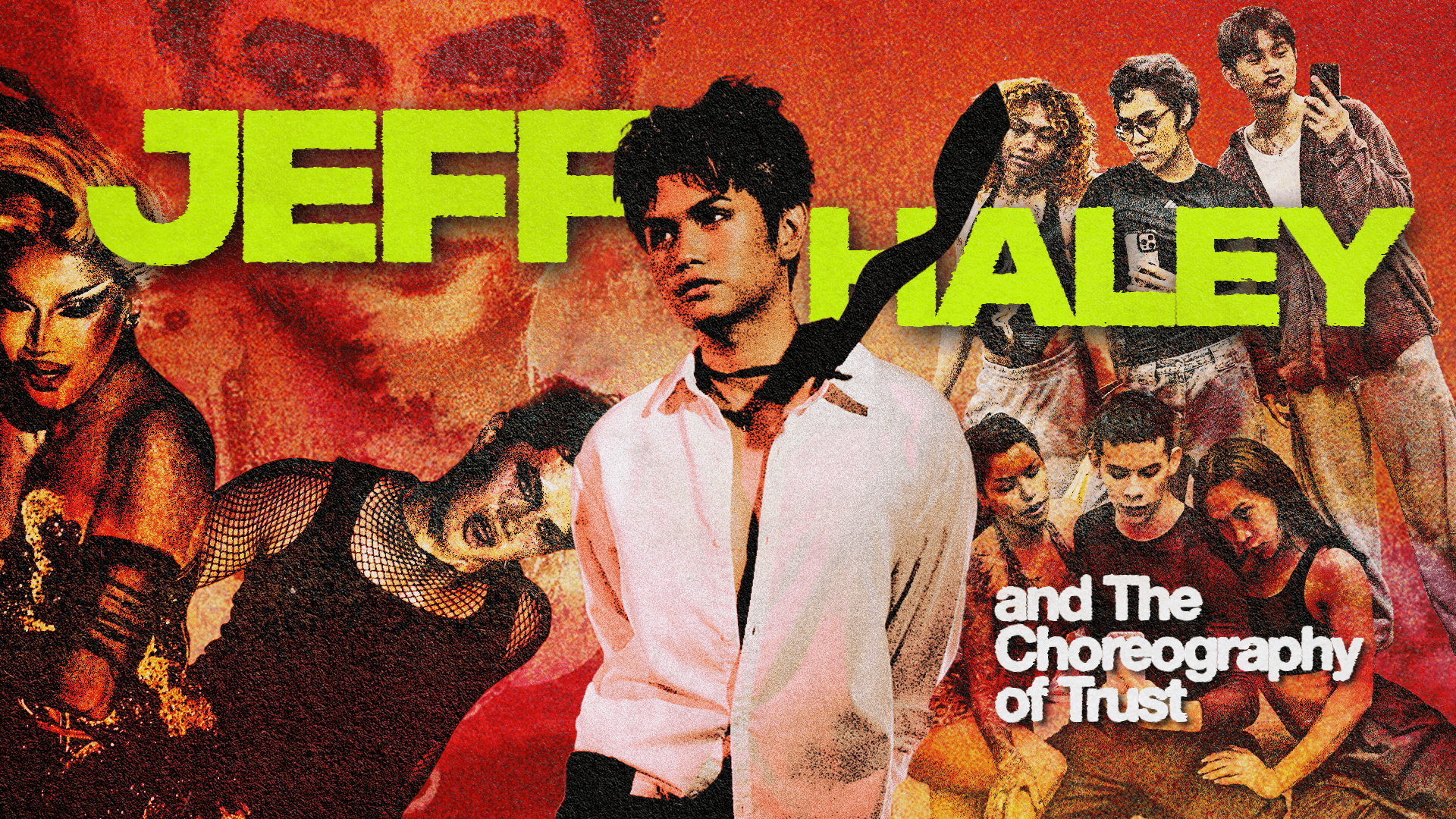
Choreographer Jeff Haley has built a career crafting drag performances for Filipino queens by leading with trust, deep research, and the belief that feeling always outlasts technique.
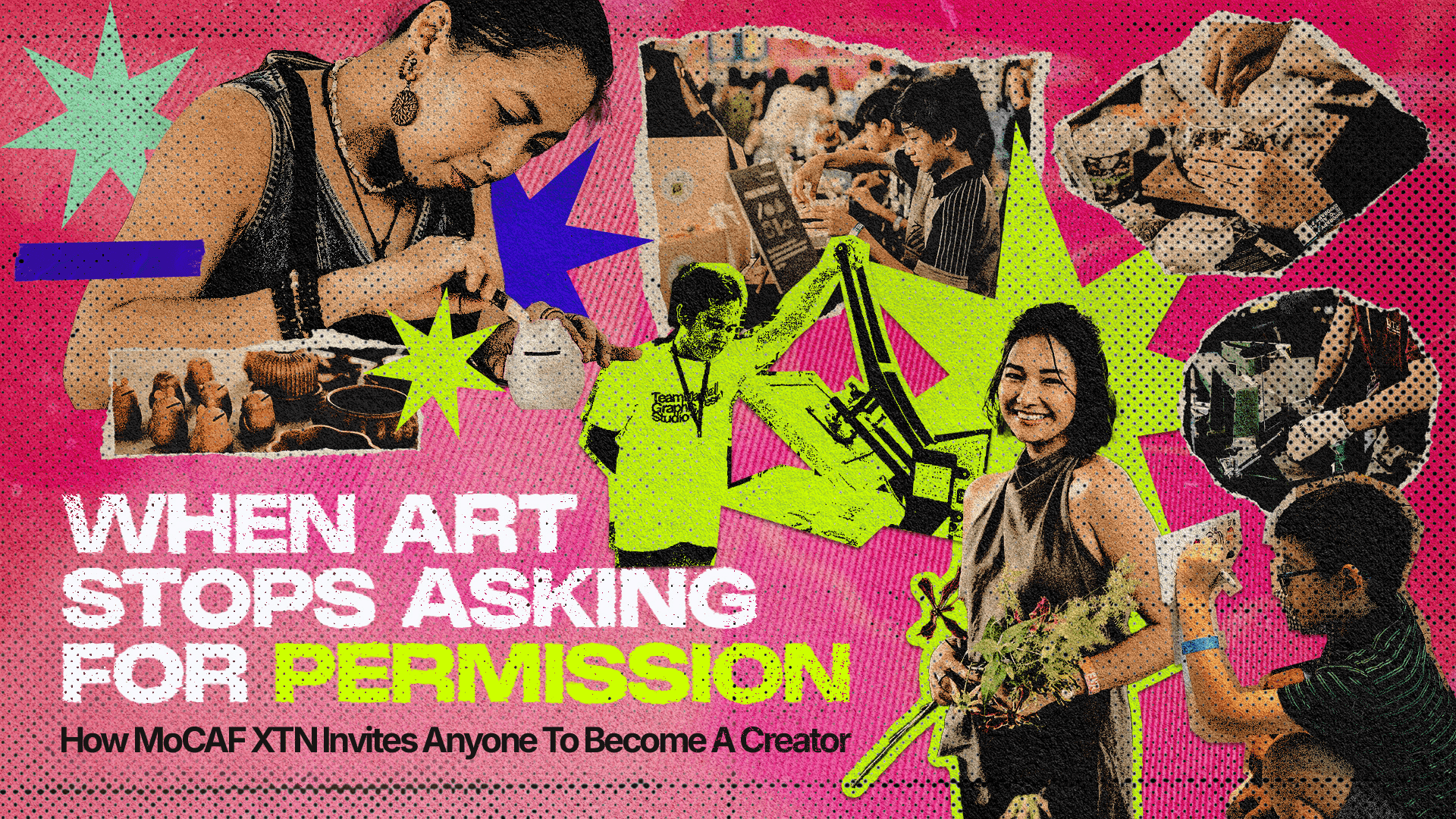
At MoCAF's XTN Tent, pottery painting and terrarium workshops invited everyone to create—proving that curiosity, not credentials, is the only requirement.
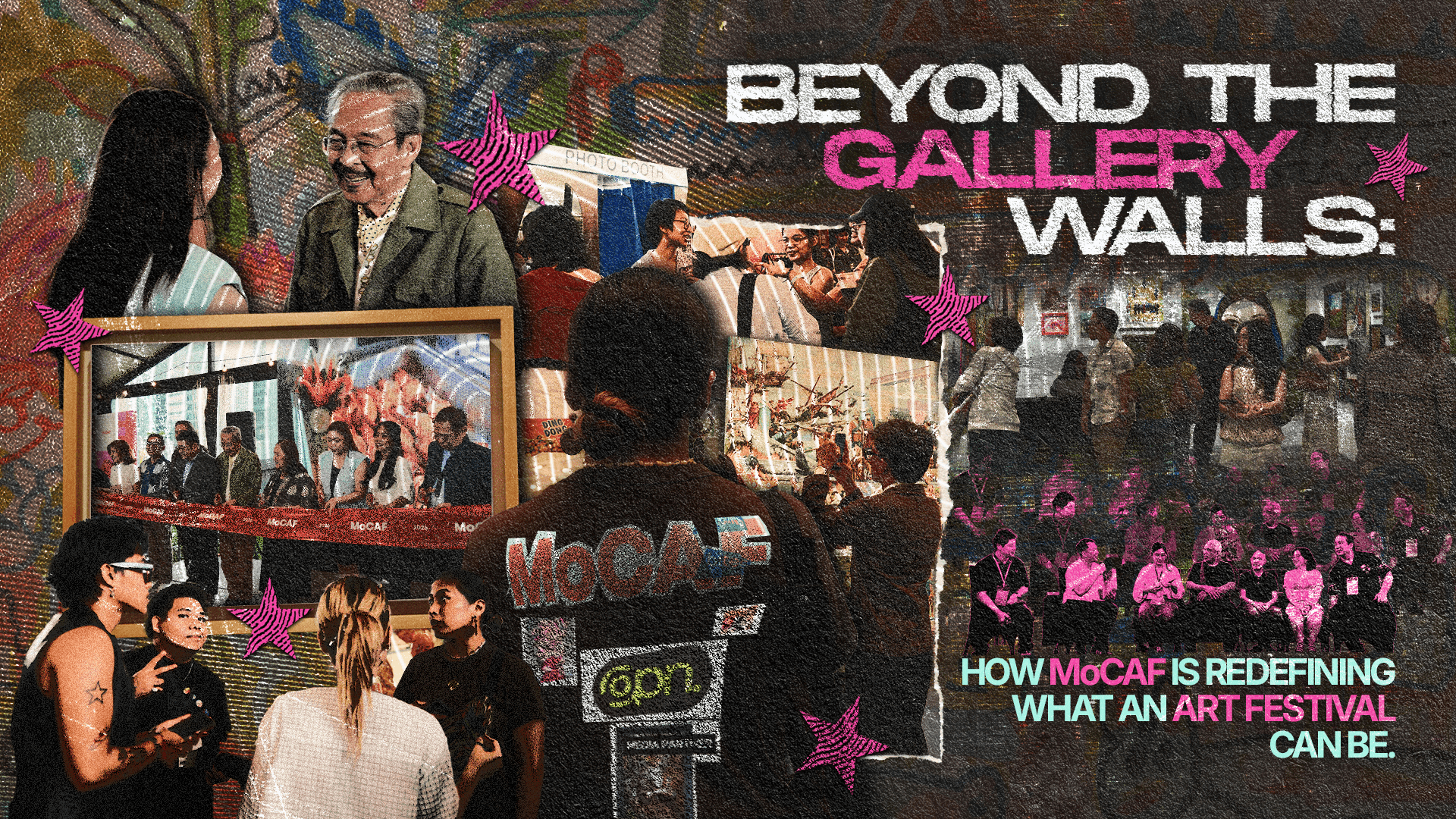
Now in its fifth edition, MoCAF has evolved beyond gallery walls into an inclusive creative ecosystem welcoming artists, makers, and curious audiences alike.